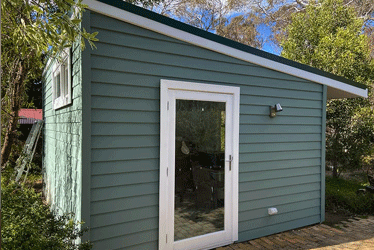


When you hire a painter, you want your budget to go towards quality preparation, suitable materials and skilled workmanship. Large office costs, showroom expenses and layers of management can add to the price without adding value to the finish on your home.
Choosing a local painter with a lean business structure can help keep those overheads down, so more of your investment goes into the work itself.
For Blue Mountains homeowners, value means understanding exactly what your quote includes. Look for a clear scope of work, thorough surface preparation and a suitable paint system. You deserve a fair price that reflects the care your home needs, without unnecessary business expenses inflating the bill.
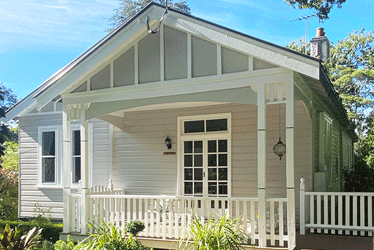
A lasting exterior paint finish starts with the surface underneath it. Before painting, dirt, mould and chalky residue need to be removed, loose or flaking paint scraped away, and sound painted edges sanded smooth. Cracks, gaps and damaged areas also need attention. Surfaces must be clean, sound and sufficiently dry before the coating process begins.
Painting over a poorly prepared surface can leave even premium paint vulnerable to peeling and premature failure. Moisture problems and timber decay need to be addressed first—primer cannot repair an unsound surface.
Primers help prepare a surface for the coatings that follow. Depending on the product, they can improve adhesion, control porosity, block stains or protect metal against corrosion. Different surfaces require different primers, and one product will not necessarily suit every part of your home.
Common primer types include:
• Exterior timber primers: Used on bare timber to prepare it for painting. The appropriate product depends on the timber species, its condition and the finishing system.
• Stain-blocking primers: Help prevent tannins, water marks and other discolouration from bleeding through the finish. The primer must be suitable for the particular stain and for exterior use.
• Masonry primers and sealers: Prepare porous surfaces such as render, brick and concrete. Product selection depends on the surface’s condition, porosity, alkalinity and curing requirements.
• Metal primers: Selected to suit the metal being painted. Steel may require corrosion protection, while galvanised steel and aluminium need compatible preparation and priming systems.
• Adhesion primers: Help suitable topcoats bond to smooth or difficult surfaces after the required cleaning and preparation.
Not every previously painted surface needs a complete coat of primer. Sound, compatible coatings may require cleaning, sanding and spot priming of exposed areas, while other surfaces need a full priming system.
For exterior painting in the Blue Mountains, careful assessment makes the difference. Following the coating manufacturer’s preparation, application and drying requirements helps create a reliable foundation for the final coats—and better value from your repaint.
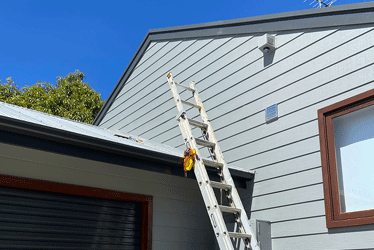
A freshly painted home may look well covered, but appearance alone does not tell you whether enough paint has been applied. Exterior coatings need the correct film thickness to perform as intended. Spreading paint too thinly can compromise the protection your home receives, even when the colour looks even.
Paint thickness is measured in microns. One micron is one-thousandth of a millimetre. Two measurements matter:
• Wet film thickness: The thickness of the paint immediately after application.
• Dry film thickness: The coating remaining after the paint has dried and its water or solvent has evaporated.
The required thickness varies between products.
Brushes and rollers can both produce a durable exterior finish when used correctly. Brushes help work paint into weatherboard profiles, edges and detailed areas, while rollers distribute paint across broader surfaces.
The amount of paint deposited depends on the tools, surface texture and application technique. An underloaded brush or roller, excessive spreading or repeated rolling over paint as it dries can leave an uneven or insufficient coating.
Careful application involves:
• Selecting brushes and roller sleeves suited to the paint and surface.
• Applying full, even coats at the recommended spreading rate.
• Maintaining coverage around edges, grooves and textured areas.
• Allowing the specified drying time between coats.
• Applying the complete coating system required for the surface.
For exterior painting in the Blue Mountains, careful preparation and correct paint application work together. A quality finish depends on putting the right amount of paint onto a sound surface, with each coat given the conditions and time it needs to dry.
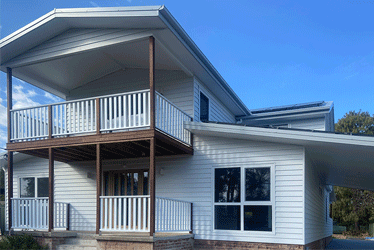
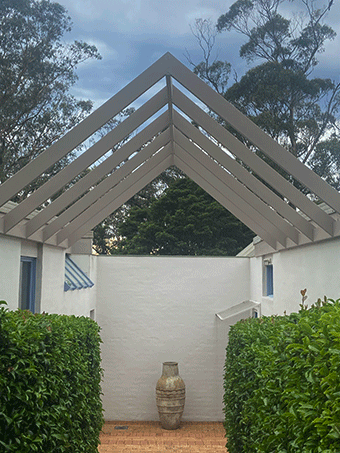
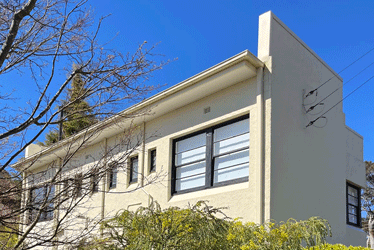
Exterior Painters Blaxland - This new property building project was primed and painted to Australian Consumer Law Specifications.
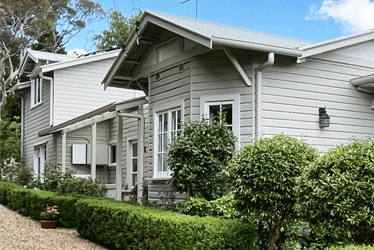
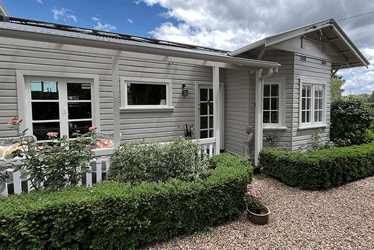
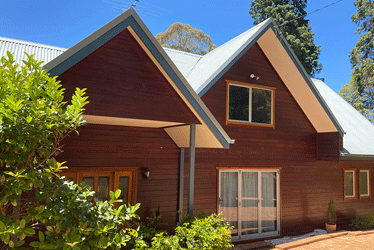
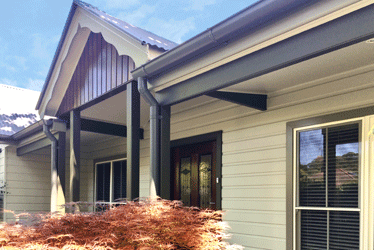
Exterior Painters Leura - This Leura property wes completely repainted, including eaves, gutters, rafters, cladding and frames. The property was multi-level requiring a safety harness.